
Choosing among thousands of casino titles is easier when you begin with the type of experience you want rather than a specific name. The Canadian-facing version of spinsy casino groups its browser-based lobby into practical categories, including slots, instant games, table games, jackpots and live dealer titles. Search tools, provider filters and demo options can then help narrow the selection. The aim is not to identify one universally “best” game, but to match a game format with your preferred pace, features, interaction and level of complexity.
Start with the experience you want
The quickest way to reduce the size of a large lobby is to decide what kind of session sounds appealing. Slots suit players who want automated rounds, visual themes and varied bonus mechanics. Instant games are generally built around shorter, simpler interactions. Table games provide familiar rules and more deliberate decisions, while live dealer games add a streamed, host-led format.
Use the category labels as a starting point, but do not treat them as a quality ranking. Sections such as Top, New, Popular, Exclusive and Live Games describe how titles are organised or promoted; they do not prove that a game will suit your preferences. A popular slot may feel too fast, while a less prominent table game may offer the pace you prefer.
It can help to define three personal preferences before opening a title. First, choose your desired pace: rapid rounds, moderate play or slower decision-making. Second, decide whether you want a solitary digital format or a social live environment. Third, consider whether you enjoy learning features or would rather use familiar rules. These answers make the lobby easier to navigate and reduce impulse choices based solely on bright graphics or prominent placement.
Which game categories deserve a closer look?
Slots make up one of the broadest areas of the catalogue. They can differ substantially in theme, number of reels, bonus features and overall presentation. Some are designed around cascading symbols or feature rounds, while others keep the structure relatively straightforward. A demo mode, where available, can help you understand the interface and mechanics before deciding whether the format is enjoyable.
Instant games offer another route for players who prefer compact rounds. Their rules are often easier to grasp quickly, though simplicity does not make an outcome predictable. Table games include options such as roulette, blackjack, baccarat and dice, with poker-related titles also appearing in the live selection. These formats may appeal to players who prefer recognisable rules and a more measured rhythm.
Live dealer categories add a different kind of presentation. Roulette, blackjack and baccarat can be hosted at streamed tables, while game-show formats such as Crazy Time, Mega Ball and Deal or No Deal provide a more entertainment-focused experience. The catalogue also contains jackpot sections, but a jackpot label should not be read as a promise of a win or a reason to increase spending. Each category should be assessed for enjoyment, clarity and affordability rather than assumed value.
Use filters without letting them make the decision
Search and provider filters are useful when the lobby feels overwhelming. Searching a game title can locate a known release, while filtering by category can remove formats that do not interest you. Provider names can also be useful if you already recognise a studio’s style, but unfamiliar providers should not automatically be treated as inferior or superior.
A practical browsing method is to apply one filter at a time. Begin with the broad format, such as slots or live games. Then narrow by a provider or a visible subcategory only if the first result set remains too large. Opening several titles at once can create unnecessary noise, so compare a small number of games using the same questions: Are the rules easy to find? Is the betting interface clear? Does the pace feel comfortable? Are important conditions explained?
Demo play can show how a title looks and operates, but it cannot establish that real-money results will follow the same short-term pattern. A few practice rounds do not verify return, volatility or future outcomes. Treat demonstrations as a way to learn controls and features, not as evidence of profitability. For broader information about gambling risks and safer decisions, the Responsible Gambling Council’s public resources offer a useful Canadian reference point.
Compare slots, tables and live games realistically
The most useful comparison is not which category is “best”, but what each format asks from the player. Slots usually require less decision-making during a round, although their themes and bonus mechanics vary widely. Table games may involve choices about how to play, while live games combine rules with a streamed presentation and table procedures.
Speed is another important difference. Automated digital games may allow rapid consecutive rounds, which can make a planned session pass quickly. Live tables typically introduce pauses for dealing, spinning or resolving a hand. A slower pace may feel more controlled for some players, but it does not change the underlying uncertainty of the outcome.
Interaction and complexity also matter. A player who wants minimal learning may prefer a familiar slot or basic table format. Someone seeking variety might explore game shows, poker-related titles or different live categories. Consider whether you understand the rules, whether the stake is comfortable and whether you can stop easily. Never assume that a more complex interface, a live host or a jackpot feature improves the odds of winning.
Build a short list before choosing a title
After browsing, create a shortlist rather than moving directly from one attractive image to a wager. Three to five games are enough for a useful comparison. Record the category, provider, basic rules and any feature that matters to you. This simple pause separates genuine preference from the effect of constant recommendations, promotions or changing lobby positions.
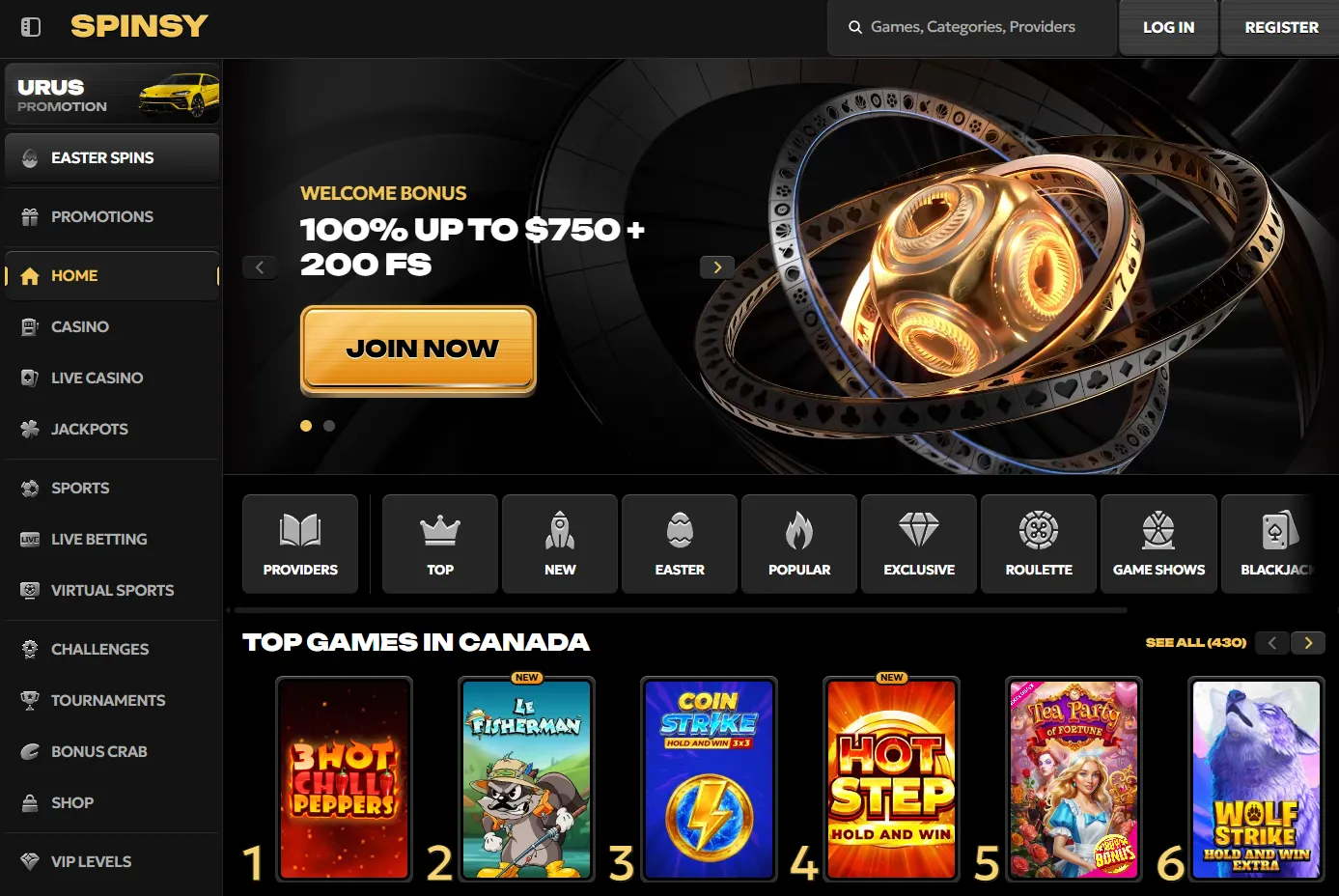
Next, check the information attached to each title. Look for the rules, available stake range and explanations of bonus features. If a game displays technical information, read it carefully rather than relying on labels such as “hot”, “popular” or “high potential”. The source material does not establish that every title has identical information or that every game is available to every account, so confirm the details shown in the current lobby.
Finally, select the game that best matches your planned session, not the one that appears most exciting. Decide in advance how much time and money you are prepared to spend, and stop when either limit is reached. If you feel pressure to continue after losses or to increase the stake to recover money, leave the lobby and take a break. Game discovery works best when it remains a recreational choice rather than a response to frustration.
Frequently asked questions about game discovery
Are demo games a reliable way to choose a casino title?
Demo play is useful for learning controls, rules and bonus features where it is offered. It cannot prove that a game will produce a particular result with real money, establish short-term fairness or predict future outcomes. Use it to assess presentation and comfort, not to forecast winnings or return.
Should a popular or new game be preferred?
Popularity and novelty are navigation labels, not evidence that a game is more suitable. A new release may have unfamiliar mechanics, while a popular title may move faster than you enjoy. Compare rules, pace, interface and stake information, then choose according to your preferences and planned spending.
How can Canadian players narrow a large game lobby?
Begin with the format you want, such as slots, instant games, tables or live dealer titles. Use search and provider filters only after that first choice. Review a small shortlist, read the displayed rules and confirm current availability and conditions before deciding whether a title fits your session.